Building a Culture that supports meaningful youth participation
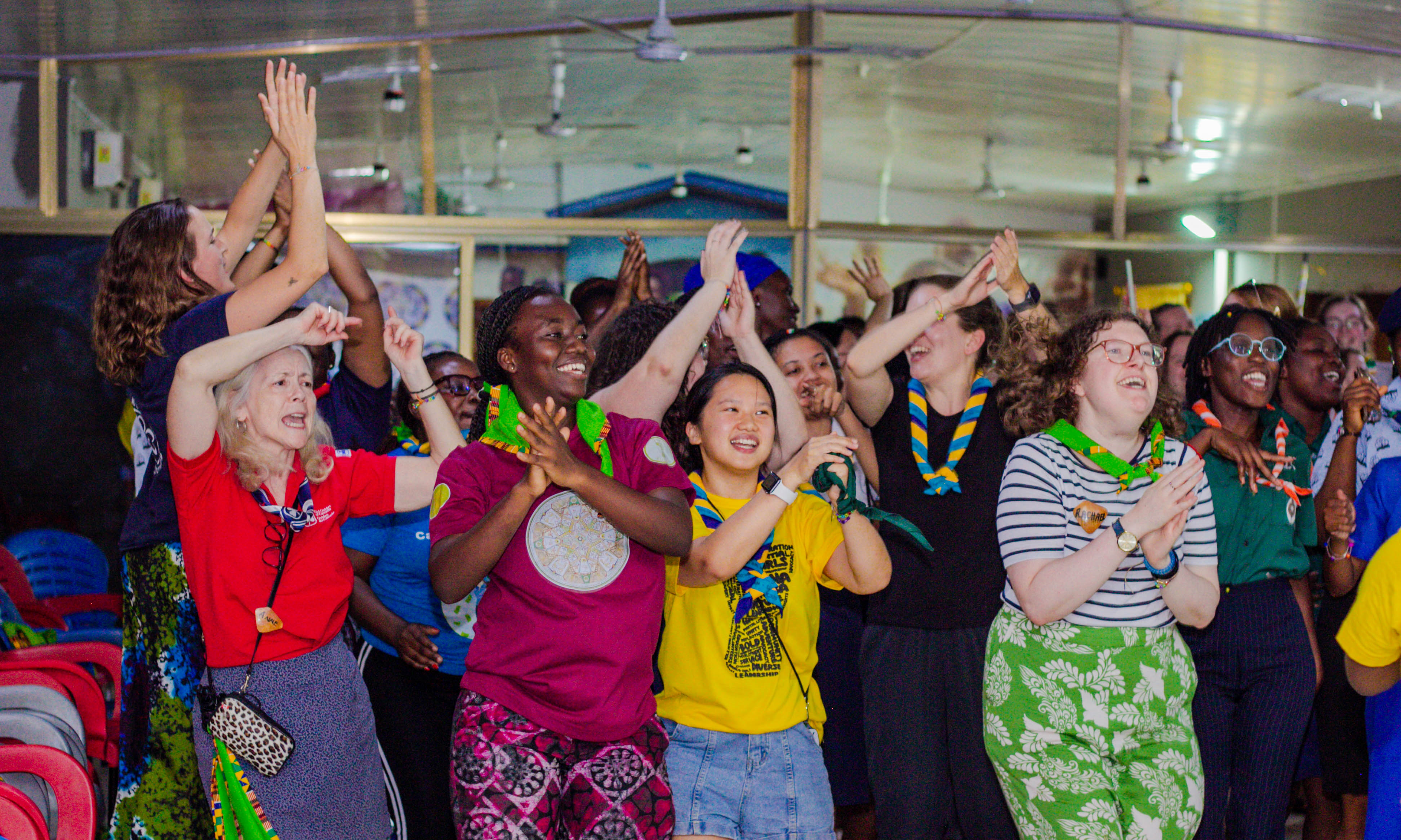
| Girl Guiding and Girl Scouting should be a ‘brave space’ for all members. That is - a safe and supportive environment in which all members feel confident to step out of their comfort zones and challenge themselves to learn, grow and take the lead. |
This brave space is the foundation of a culture that nurtures meaningful youth participation, it is:
- Safe - everyone is valued, respected and free from violence, discrimination and harm.
- Inclusive - everyone is able to meaningfully participate and feels an equal part of the space.
- Empowering - everyone has the confidence to be themselves.
To build on the brave space and have a culture that supports youth participation, we need:
- Adults to value and respect young people’s perspectives, opinions and decisions, adopting positive behaviours and attitudes towards young people making decisions, treating them as their equals.
- A flexible and youth-friendly environment built through policies, planning and financial resources all of which is informed by youth experiences and realities.
- Adults and young people to have a good understanding of what meaningful participation is, and the skills and resources to effectively support participation.
- Young people to be supported and trained where necessary so they can make informed decisions.
- Young people to have continuous opportunities at differing levels to participate meaningfully, make decisions and shape their paths.
- A safe space for experimenting, making mistakes and learning, where sharing knowledge and experience is encouraged.
What is a culture that does not support Meaningful Youth Participation?In our world, there is a lot of bias that depicts young people as a ‘group’, who might be less valuable and less deserving of power than adults. This belief that adults know more or make better decisions than young people leads to comments or actions taken by adults that harm young people and their potential. This is described as ‘adultism’. Adultism prevents many young people from being able to meaningfully participate and harms the brave space foundation. What does adultism sound like? “Ah she’s great, for a young woman!” “You’re too young, you’ll understand when you’re older.” “Youth are the future.” “Children should be seen and not heard.” “She’s too young to have enough experience.” What does adultism look like?
|
Reflect and challenge yourself:
|

For girls and young women to truly be able to make decisions and meaningfully participate, adults need to be prepared to step back, take on different roles and share power.
The culture we want to create is one that is based upon intergenerational leadership and shared power. By ‘intergenerational leadership’ we mean, older and younger generations working together to bring about positive change in their own and others’ lives. For intergenerational leadership to be successful, space must be created for everyone to practise leadership, regardless of their age. This means that:
- Young people have a seat at the table - they are in leadership positions, have genuine decision-making power where they use their knowledge and expertise, and enjoy this experience.
- Adults bring their knowledge and experience, sharing it in a way that supports the growth of all.
Everyone has a part to play in creating this culture – girls, young women and adults alike. In the Girl Guiding and Girl Scouting Movement, our vision to be girl- and young woman-led shows a commitment to creating this culture. The challenge is to ensure we change current culture to make this happen. For participation to take place, we need to build a culture across the Movement, at local, national and global level, that is supportive of it. By drawing on the knowledge, resources and perspectives from different generations we can empower and inspire each other.