


What are participatory spaces?
In Girl Guiding and Girl Scouting we aim to promote meaningful youth participation at all levels - from making big or small decisions, from local group to national level and to regional and global governance of the Movement. 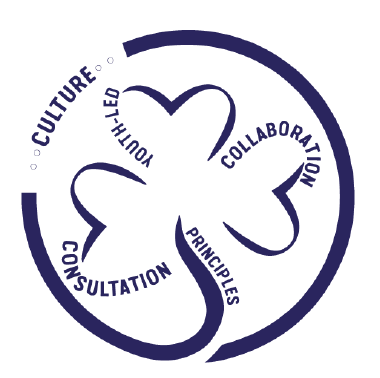
Youth Participation means actively and continuously engaging young people in making decisions that affect their lives and communities. Meaningful youth participation means that young people are considered the experts in their own lives, and are informed, empowered, safe and valued when they participate.
Therefore a participatory spaces in Girl Guiding and Girl Scouting enable and encourage young people to participate in shaping their own learning experiences in a way that works for every individual.
Why are participatory spaces important?
Youth participation within the Movement will help us stay relevant to young people everywhere, but it is also a tool for learning and development. When we recognise and value the leadership of young people, and create spaces where they can make decisions, we are supporting them to develop their full potential. More, and more meaningful, participatory spaces are essential to support our Compass 2032 vision of a girl-and-young-women-led Movement.
What do participatory spaces look like?
For meaningful youth participation to take place there needs to be:
CULTUREthat supports youth participation | OPPORTUNITIESfor young people to participate
| PRINCIPLESthat ensure opportunities are meaningful |
CULTURE: AN ENABLING ENVIRONMENT THAT SUPPORTS YOUTH PARTICIPATION. |
The foundation of supporting youth participation is to have a brave space that is safe, inclusive and empowering. To then enable youth participation to take place we need:
- Adults to value and respect girls and young women’s perspectives, opinions and decisions, adopting positive behaviours and attitudes towards girls and young women making decisions.
- Adults to create a flexible and youth-friendly environment through policies, planning and financial resources.
- Adults to have a good understanding of what meaningful participation is, and the skills and resources to support girls and young women effectively.
- Girls and young women to be supported and trained where necessary so they can make informed decisions.
OPPORTUNITIES: THE SPACES WE INTENTIONALLY CREATE FOR YOUTH PARTICIPATION |
Youth participation can take place in different forms, which will be relevant and appropriate to different settings and ages. Consultation, collaboration and youth-led are the three forms of youth participation we see most commonly across our Movement.
Youth-Led: Initiative and decisions come from youth members, with the support of adult members.
Collaboration: Youth and adult members work together in partnership. Decisions are made jointly between youth and adult members.
Consultation: Youth members know what is happening in the organisation/group and why. Input and ideas are gathered from youth members to support and inform decisions made by adult members.
PRINCIPLES:HOW WE MAKE SURE YOUTH PARTICIPATION IS MEANINGFUL FOR EVERY AND ANY MEMBER. |
For youth participation to be meaningful, it is important to…
- Check young people know how they will participate, why they have been given the opportunity to participate, what their participation involves, and the potential impact their participation could have.
- Allow youth members to choose their level of engagement and give them the option to withdraw their participation whenever they wish to.
- Create a brave space for youth members to participate in safely and comfortably. The risks of manipulation and tokenism should be minimised, and participants should be able to express themselves freely without fear of judgement.
- Make sure roles and activities are relevant and age appropriate for youth members, building on their knowledge, abilities and interests.
- Be inclusive and respectful of all youth members. Opportunities for participation should directly address any barriers someone may have to taking part, and those supporting youth participation should understand the context of participants’ lives.
INTERGENERATIONAL PARTNERSHIP IN LEARNING AND DEVELOPMENT
Intergenerational leadership is when older and younger generations work together to bring about positive change in our own and others’ lives. This is shared leadership in action! By valuing and drawing on the knowledge, resources and perspectives of different generations we can empower and inspire each other. For intergenerational leadership to be successful, space must be created for everyone to practise leadership, regardless of their age.
For meaningful youth participation to happen in learning and development, we need to create space for intergenerational leadership. Youth and adult members create youth learning experiences through active cooperation, working in partnership – you can see this in our Method as a key aspect of “connecting with others”.
Young people are supported by adults to take active responsibility for their learning and draw meaning from their experiences through the youth programme. Adult learning experiences often support the competences adults need to carry out their roles, and these experiences will not generally be directly youth-driven in practice. However, as a Movement of, by and for young people, all aspects of our organisation can benefit from a youth- driven perspective, and we can seek creative ways to strengthen adult learning and development in all roles and structures through intergenerational leadership.
Participatory Learning in a Global Movement
Supporting learning and development in multiple cultural contexts across the world requires the adaptation of learning experiences so they are relevant and appropriate to the learners. The cultural values, beliefs and practices people experience in their everyday lives influence how they understand and interact with the world, for example their perception of power and hierarchy, their body language, the traditions they engage in and their preferred ways of work. It is necessary to include diverse perspectives in learning experiences to promote cross-cultural understanding and respect whilst addressing any barriers or challenges related to cultural differences.