


Kusafiri Evaluation Executive Summary
Responding to Motion 10 – 38th World Conference
Introduction
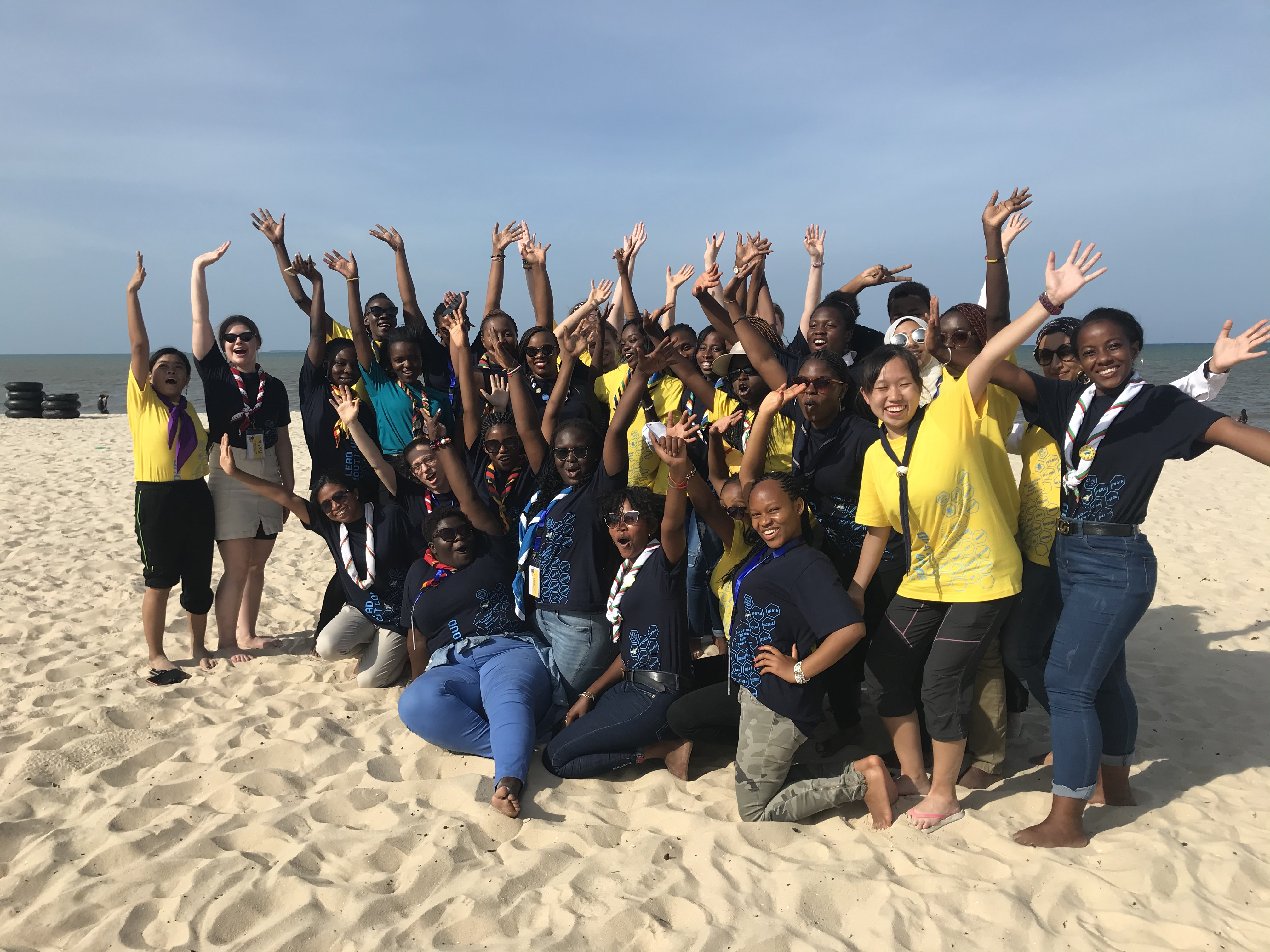
WAGGGS’s World Centres emerged from a desire to create spaces where Girl Guides and Girl Scouts from around the world could come together for meaningful, life-changing experiences. Through their programmes, activities, and events, the Centres play a significant role in advancing WAGGGS’s Mission and Vision.
Background
Kusafiri World Centre, established in 2012, was designed to bring international Girl Guiding and Girl Scouting opportunities directly to the Africa Region. Unlike the other World Centres, Kusafiri was initially conceived as a roaming or mobile Centre, to address barriers such as high travel costs and visa restrictions, and to ensure more equitable access to international experiences. Subsequently, in 2023, WAGGGS Member Organisations (MOs) passed Motion 10 at the 38th World Conference in Cyprus, requesting a pilot of a fixed-location model in Ghana (2024–2026).
Evaluation Purpose and Scope
This evaluation explores the strengths, challenges, and operational learnings from both the roaming and fixed-location models of Kusafiri. It responds to Motion 10, providing MOs with insights nine months ahead of the 39th World Conference. It draws on programme data, financial and legal analysis, and feedback from participants, volunteers, and host MOs to assess Kusafiri’s reach, impact, and future potential.
While comprehensive, the report acknowledges some limitations, including gaps in historical and financial data due to evolving systems and the partnership-based delivery model, and a focus on current rather than future planning. The findings support broad recommendations that will shape Kusafiri’s future and inform WAGGGS’s strategic direction for the World Centres.
Kusafiri Delivery and Participant Insights
From 2012 to 2024, Kusafiri delivered 15 experiences, engaging over 620 participants. By 2026, this number is projected to reach 939 (reaching an average of 78 programme participants per year). Though smaller in scale than the permanent World Centres (which reported average annual programme participation of 835 at Our Chalet, 490 at Pax Lodge, 260 at Nuestra Cabaña, and 209 at Sangam between 2019 and 2024), Kusafiri has had a critical role in improving regional equity.
Africa had the highest representation of MOs in both Kusafiri models—42% in the roaming model and 53% in the fixed model - compared to a usual representation of just three per cent at other World Centres. This demonstrates Kusafiri’s unique impact on inclusion and access.
The fixed-location pilot significantly expanded Kusafiri’s delivery—from one event in 2023 to a projected eight in 2026, compared to a maximum of two per year in the roaming phase. This growth was enabled by strategic planning certainty, a stable operational base, scalable funding, and deepening partnerships with the host MO.
Participation from the Africa Region remained consistent (around 60 per cent), but data clearly shows that access to funding—not location—is the main driver of participation for both models. When subsidies are unavailable, regional attendance drops sharply affirming the need to keep financial accessibility central to Kusafiri’s design.
Participant Views and Experiences
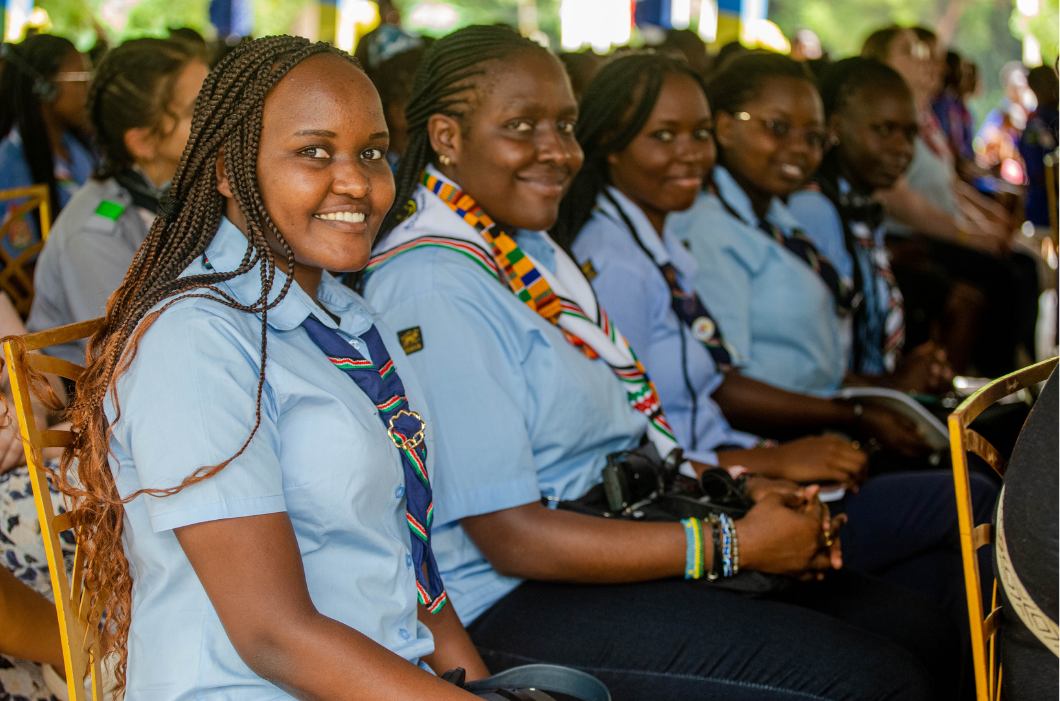
Participant feedback across both models described Kusafiri as a life-changing, empowering experience, with little difference in quality or impact. Common themes included intercultural exchange, personal growth, and accessibility—especially for African participants.
“It opened up my world in ways I could not imagine… Where Kusafiri goes, opportunity follows.” - Participant, Kenya
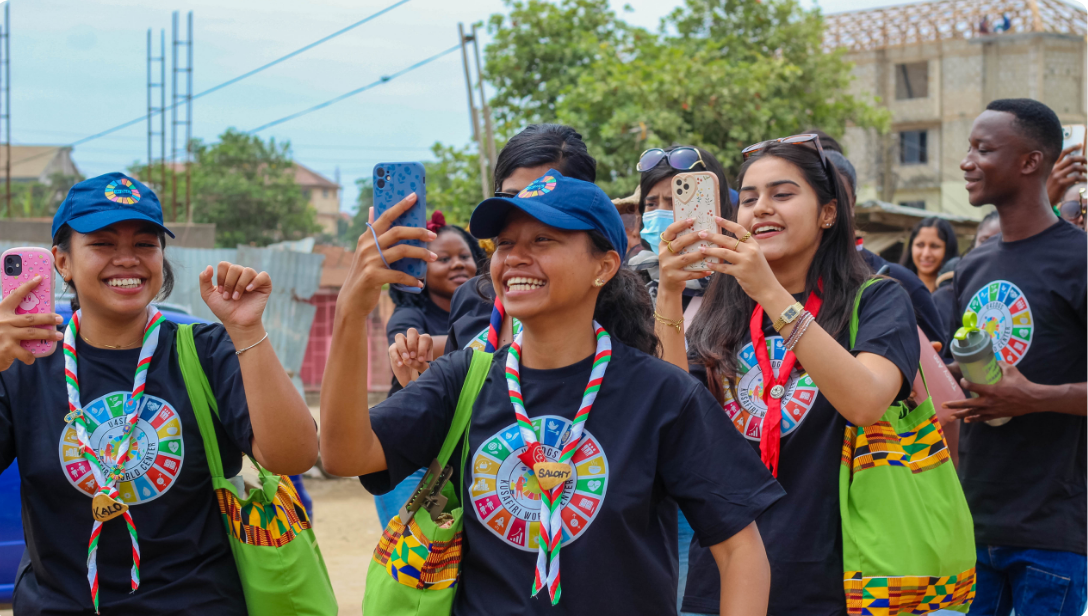
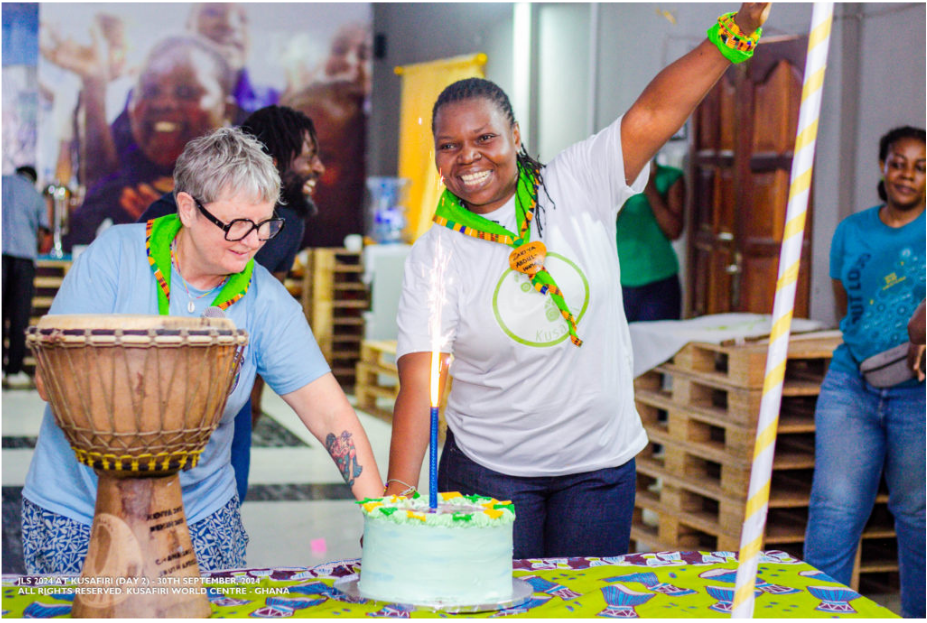
Hosting MOs in the roaming model reported benefits such as visibility, capacity building, and international connections, alongside challenges like planning complexity and funding flow. Under the fixed model, the Ghana Girl Guides Association (GGGA) benefited from consistent delivery, volunteer development, and infrastructure improvements, but also faced high operational demands and financial strain, ultimately leading to their decision not to continue hosting beyond the pilot phase to be able to focus more on national Guiding.
"Kusafiri offers a wide range of opportunities and creates a long-term legacy in its host countries... WAGGGS should put in place strategies to continually maximise the impact of experiences gained.” - Rwandan Girl Guides Association
Finance, Legal, and Risk
Kusafiri’s financial and operational model has evolved significantly across its two phases. While WAGGGS maintained consistent staffing investment, the fixed-location model introduced a user-pays system, boosting local income generation but also increasing the financial and delivery responsibility of the host MO—including cash flow and insurance obligations.
In contrast, the roaming model was primarily grant-funded, placing greater financial risk on WAGGGS but offering fewer long-term benefits for host MOs. MO-owned venues helped retain investment within the Movement, while external venues—common in the roaming model—offered limited financial legacy value.
The pilot in Ghana enabled facility upgrades and capacity-building, but also surfaced legal risks related to land tenure, insurance coverage, and branding clarity. Risk was more centralised with WAGGGS under the roaming model; the fixed model distributed risk to the host MO, raising concerns about sustainability and liability.
Across both models, the need for strong financial systems, legal safeguards, risk assessments, and formal agreements remains essential for safe and sustainable delivery.
📝 Recommendations
To ensure Kusafiri’s future sustainability, several recommendations have been made:
- Maintain a strong focus on creating international opportunities for young women in the Africa Region
- Ensure financial accessibility through scholarships and travel grants
- Reduce operational burdens on both WAGGGS and hosting MOs
- Wherever possible, use MO-owned facilities to strengthen reinvestment in the Movement and avoid rebranding existing national centres as Kusafiri sites
- Pursue longer-term partnerships with individual MOs to improve efficiency, consistency, and cost-effectiveness
- Provide strategic oversight and clear planning cycles to support both user-pays and grant-funded event models
Kusafiri remains a unique and powerful vehicle for delivering WAGGGS’s mission in the Africa Region. Both models have created meaningful, high-impact experiences - each with their own strengths and trade-offs. The insights from this pilot offer a solid foundation for a sustainable, inclusive, and impactful future for Kusafiri, ensuring more girls across Africa and beyond can connect, grow, and lead through the World Centres.
Looking ahead, the future success of Kusafiri depends on balancing ambition with sustainability - ensuring adequate support, clearly defined roles, and alignment with WAGGGS’ broader strategy. These broad insights and recommendations offer critical guidance for the World Board as it considers and shapes the next phase of Kusafiri and its role within the World Centres portfolio.
👇🏽 For a detailed overview and in-depth insights, we invite you to explore the full report and the executive summary with graphics, both available below in all four WAGGGS languages.
